Sedentary office work: An invisible risk
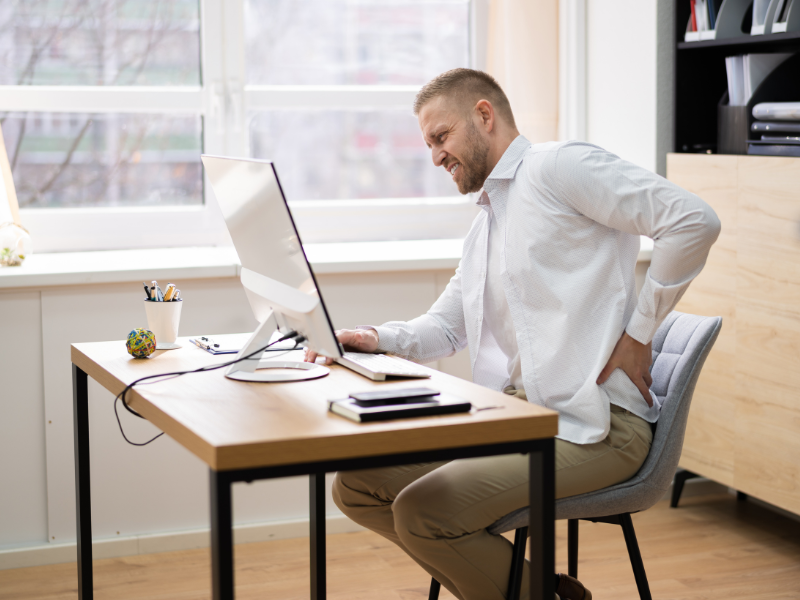
Today, we spend most of our days behind a desk, staring at a screen or in video meetings. What may seem harmless is actually a real challenge for employee health and performance. Sedentary lifestyles are not just about sitting down: they are a silent phenomenon that affects the body, mind, and functioning of teams. Understanding this phenomenon is the first step in measuring its real consequences… and taking action before they become apparent.
What is a sedentary lifestyle?
In recent years, sedentary lifestyles have become a major health issue in the workplace. They are often poorly understood, despite being regularly cited in studies, prevention plans, and HR discussions.
In concrete terms, a sedentary lifestyle refers to the amount of time spent sitting or remaining immobile, with very low energy expenditure, over long periods of time. Thus, an employee may engage in regular physical activity outside of work and still remain highly sedentary throughout their working day. This situation is neither an individual choice nor a lack of willpower: it is mainly linked to changes in working patterns, marked by digitalization and reduced travel.
When do we become truly sedentary?
We talk about sedentary lifestyles when we spend more than 7 to 8 hours a day sitting or lying down (excluding sleep). The goal is not to feel guilty about every moment spent sitting, but to be aware that prolonged inactivity takes a toll on our bodies.
The risks of a sedentary lifestyle
Prolonged sedentary behavior affects health on several levels, and its consequences go far beyond simple physical discomfort.
An increase in physical health problems:
- Obesity: the body burns fewer calories and metabolism slows down, which can lead to weight gain.
- High blood pressure and cardiovascular disease: inactivity reduces blood flow, increases blood pressure, and weakens the heart.
- Type 2 diabetes and certain types of cancer
- Musculoskeletal disorders: the back, neck, shoulders, and hips are subjected to prolonged strain, causing chronic pain and stiffness.
Deterioration in mental and emotional health: lack of physical activity also affects the brain and well-being.
- Depression and anxiety: inactivity limits the production of endorphins, the “feel-good” hormones that are essential for regulating stress and improving mood.
- Sleep disorders: lack of regular exercise disrupts the circadian rhythm and sleep quality, which can increase fatigue and irritability.
These effects are not limited to individual health: they have a direct impact on the company. Absenteeism due to physical problems creates a vicious circle, increasing the workload and stress of the teams present, which in turn exposes them to other pathologies.
Ultimately, a sedentary lifestyle not only costs the individual, it also has a lasting effect on the productivity and balance of teams.
How can we combat sedentary lifestyles?
- The EVEIA pedal exerciser represents a real revolution in combating sedentary lifestyles in the office. It is the only pedal exerciser in the world designed specifically for workspaces. Silent and almost invisible, it slips under the desk and transforms every minute of work into a health booster. By pedaling, employees improve their posture, engage their muscles, burn calories, and stimulate their concentration. The major advantage of EVEIA is that it does not require any interruption of work: the activity becomes natural, perfectly suited to office life.
- Group challenges are particularly effective in making physical activity more motivating. The Step Challenge, for example, offers a premium option that tracks all employees’ physical activities. Every step, run, bike ride, or other activity is automatically converted into steps to ensure fair tracking. Participants can choose their pace and favorite activity and track their progress in real time. It is also possible to form teams and encourage each other. These regular challenges stimulate engagement while integrating physical activity into daily life in a fun way.
- Stretching breaks are also essential for limiting the effects of a sedentary lifestyle. Taking a few minutes every hour to breathe while stretching your back, shoulders, neck, or legs helps prevent muscle tension, improve posture, and boost concentration. These micro-breaks are easy to do and help reduce fatigue and maintain energy throughout the day.
- Sit-stand desks allow you to alternate between sitting and standing positions throughout the day. This regular change improves blood circulation and boosts productivity. Even a few minutes of standing every hour is enough to reduce muscle tension and limit the problems associated with a sedentary lifestyle.
- Standing meetings are another way to introduce movement. Holding certain meetings standing up or even walking reduces the amount of time spent sitting, stimulates creativity, and speeds up decision-making. These moments become both productive and dynamic.
Conclusion
A sedentary lifestyle at work is not inevitable. It affects the body, mind, and performance of teams. However, there are simple and accessible solutions that can effectively combat it. By combining innovative tools such as the EVEIA pedal exerciser, active breaks, and motivating group challenges, it is possible to transform the daily work environment into a more dynamic one. By adopting these practices on a long-term basis, companies can improve both the health and overall performance of their teams.