Nutrition: how to maintain your energy this autumn?
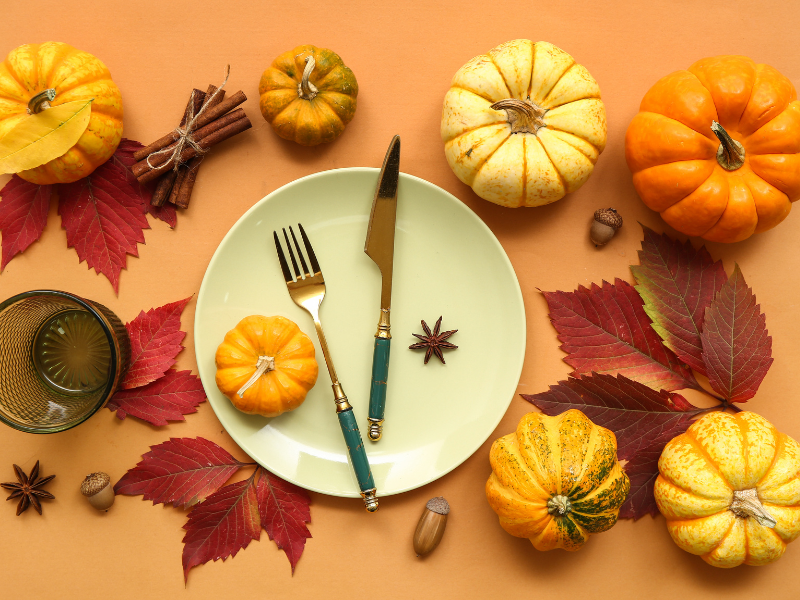
As autumn arrives, our habits begin to change: temperatures drop, days become shorter, and summer meals gradually give way to warmer, more comforting dishes.
For World Food Day, we asked Birgit Boislard, nutritionist, which foods and habits to focus on during this season to help maintain our energy levels throughout the day, particularly during the working day.
What should you put on your plate this autumn?
There is no need to completely change your diet as the seasons change. One of the first things to do is simply to make the most of the foods that are available at this time of year. Pumpkins and squash, carrots, cabbage, leeks, apples, pears… Autumn fruits and vegetables provide plenty of variety while contributing vitamins, minerals and fibre.
Birgit recommends choosing organic, seasonal produce, in particular to limit exposure to pesticides, which can be harmful to immune health. This variety can easily be incorporated into meals at work: homemade soup for lunch, roasted vegetables or a piece of seasonal fruit to round off a meal.
Balanced meals
Food plays an important role in maintaining energy and concentration throughout the day. Rather than relying on a single food or looking for “energy-boosting” solutions, the key is to build sufficiently varied meals.
A balanced plate can include:
- Vegetables: they provide, among other things, fibre, vitamins and minerals.
- A source of protein: eggs, fish, meat, dairy products or legumes. Protein contributes, in particular, to maintaining muscle mass and supporting satiety.
- Starchy foods, with wholegrain options chosen regularly: rice, pasta, potatoes, quinoa, bread… They provide an important source of carbohydrates, which the body uses to produce energy.
The aim is therefore not to follow strict rules, but to vary foods and quantities according to individual needs, activity levels and lifestyle.
Vitamin C: a natural boost
Vitamin C contributes to several essential functions in the body. In particular, it supports the normal functioning of the immune system and helps reduce fatigue.
In autumn, certain foods can provide vitamin C naturally, including lemons, oranges, raw peppers, raw broccoli and cabbage. An orange at breakfast, a kiwi as a snack or some raw vegetables at lunchtime are all simple ways to include them in your daily diet.
Vitamin C is also sensitive to heat: regularly choosing raw or lightly cooked fruit and vegetables helps preserve more of this vitamin.
Staying hydrated still matters
When the weather gets colder, we may think less about drinking. Our sense of thirst can decrease, but staying hydrated remains important.
At work, water, herbal teas and broths can easily be incorporated into the day. A simple habit, especially when the working day is filled with meetings and back-to-back tasks, is to keep a drink within reach and remember to drink regularly.
An invitation to cook
We bring out our cosy jumpers, reach for warm drinks and rediscover the pleasure of comforting seasonal dishes.
Soups, roasted vegetables, homemade gratins, slow-cooked dishes… Autumn offers plenty of opportunities to cook simple meals and enjoy them while maintaining a varied diet.
It is also a great season to take the time to prepare your meals, choosing ingredients you enjoy and cooking larger quantities. This is an easy way to have lunch ready in advance for the following days. It is also an opportunity to limit, as much as possible, ultra-processed foods, which are often low in nutrients.
Energy is not just about what we eat
Food contributes to our overall balance, but it is part of a wider set of habits that all play a role.
To support us through the change of season, Birgit recommends paying attention to three essential pillars: a balanced diet, good-quality sleep and regular physical activity. These habits complement one another, helping support overall balance, concentration and recovery throughout the day.
Key habits to remember
- Choose organic, seasonal fruit and vegetables.
- Combine vegetables, protein and some starchy foods, preferably wholegrain.
- Vary your diet and include foods rich in vitamin C.
- Remember to drink regularly, even when you feel less thirsty.
- Choose warm, home-cooked meals.
- Combine a balanced diet with sufficient sleep and regular physical activity.