How can you integrate recovery into the working day?
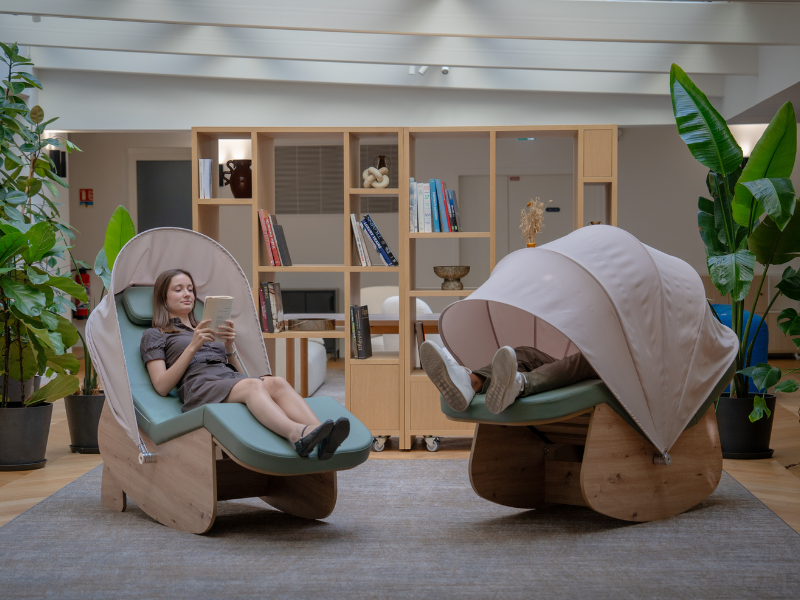
In autumn, maintaining energy levels at work can become a real challenge for employees. With shorter days and less daylight, fatigue can increase, making it harder to concentrate.
At the same time, daily demands and mental workload continue to build up, leaving little room for breaks. Caught up in their tasks and responsibilities, teams often tend to shorten or even postpone these moments of recovery. Yet taking proper breaks is essential to maintaining energy levels and protecting employee well-being.
The good news is that recovery can become an integral part of everyday working life through simple, practical measures. Discover how companies can help their employees maintain their energy throughout the day.
Why recovery deserves a place in HR strategies
A working day without breaks can increase fatigue, reduce concentration and make tasks more difficult to manage. In contrast, appropriate breaks allow employees to take a breather, gain perspective and restore their mental capacity.
For HR teams, integrating recovery into workplace practices is a form of prevention. The aim is to create an environment where everyone can preserve their resources, better manage demanding periods and regain energy throughout the day.
This includes fostering a company culture that respects time away from work and provides spaces or activities that promote well-being.
The goal? To make recovery an accessible everyday habit rather than a solution reserved for moments of exhaustion.
Encourage breaks to help teams maintain their energy
Moving from one task to another without interruption can create the impression of working more efficiently. However, maintaining concentration over long periods places considerable demands on our mental resources and can increase fatigue as the day progresses.
To help employees maintain their energy, companies can encourage short, regular breaks. Sometimes, just a few minutes are enough to release tension and return to work feeling better equipped to continue.
A few practical ideas:
- Encourage employees to step away from their screens between tasks and perform simple stretches to relieve tension caused by prolonged sitting.
- Encourage teams to take a short walk between meetings.
- Promote lunch breaks away from workstations.
- Raise managers’ awareness of the importance of recovery time and how it can be incorporated into daily work schedules.
Make the most of power naps to recharge
When fatigue sets in, a few minutes of rest can provide a welcome break during the working day. A power nap offers employees a quiet moment to rest when their alertness begins to decline, particularly after lunch.
To make this practice easier, companies can provide a dedicated, comfortable space away from everyday distractions.
Nap chairs, such as the EnergyPod or Nap&Up, allow employees to rest in an environment designed for relaxation. Visual privacy and reclined positions help create suitable conditions for a restorative break.
Introduce well-being activities
Recovery can also take the form of activities that help employees refocus and regain energy.
Offering scheduled sessions makes it easier for employees to incorporate these moments into their calendars, even during busy periods.
A few ideas:
- Chair massage: A break designed to relieve physical and mental tension, particularly in the back, shoulders and neck.
- Sophrology: Breathing and relaxation exercises that help employees learn to manage stressful periods more effectively.
- Yoga: An activity that encourages movement, develops breathing awareness and provides an opportunity to disconnect from work.
- Self-massage workshops: Learn simple techniques to relieve muscle tension and easily practise them independently at the office.
These activities can be offered occasionally as part of a dedicated well-being day or incorporated into a year-round workplace well-being programme.
Create spaces that encourage recovery
A busy open-plan office, constant interruptions and a lack of quiet spaces can make it difficult for employees to switch off. Creating a dedicated relaxation area allows employees to temporarily step away from their usual working environment.
Depending on the space available and the needs of the team, several options can be considered:
- A room equipped with a chair specifically designed for power naps.
- A relaxation corner with a calming atmosphere that encourages employees to unwind.
- An informal relaxation area with massage chairs and a small library, offering employees a change of environment for a few moments.
The key is to implement solutions that are easily accessible and suited to both the realities of the workplace and employees’ needs.
Make recovery a collective effort
For these initiatives to have a lasting impact, they need to become part of the company’s everyday culture. A rest area will remain underused if employees fear being judged negatively for taking a break.
HR teams and managers therefore have an essential role to play: leading by example, communicating the resources available and encouraging employees to use them.
A few steps to get started:
- Ask employees about their needs and the challenges they face when trying to recover during the working day.
- Identify the times of day when fatigue is most noticeable.
- Test an initial initiative, such as a seated massage session or a dedicated power-nap chair.
- Gather feedback from teams and adapt the solutions accordingly.
This gradual approach helps companies develop a consistent strategy that reflects the realities of their workplace.
Conclusion
In autumn, as throughout the year, maintaining employee energy requires particular attention. Regular breaks, well-being activities and suitable spaces can help improve working conditions and better meet the needs of teams.
Would you like to offer your employees opportunities to rest and recharge at work? Contact us to discover the solutions best suited to your company.